FOR GROWTH STAGE FOUNDERS · MUSIC, MEDIA & STREAMING TECH

Scale the company. Build what runs without you in the room.

A governance partner and coach to growth-stage founders in music, media and streaming tech. I define and run the rhythm that turns your week into decisions with owners, not meetings. And I coach you through the calls only a founder faces.

SERIES A TO C · ICF LEVEL 2 · 19 YEARS INSIDE MUSIC & STREAMING

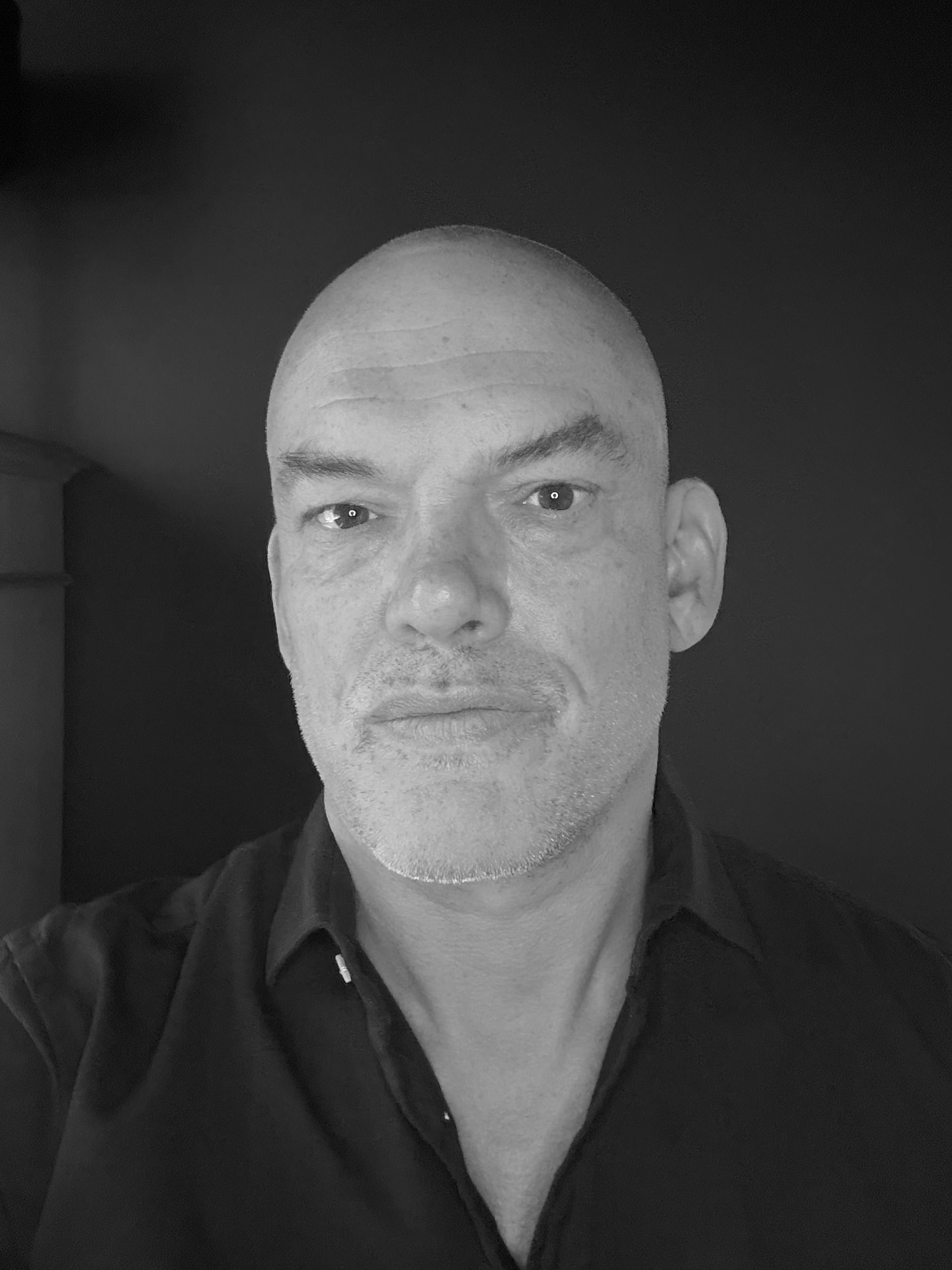
Portrait of James Gillespie

The Moment

You built the machine. Now it's outgrowing you.

It shows up differently at each stage. After a Series A, it's the first proper handover and the first exec hires. Around 20 to 30 people, the informal way of working stops holding. By Series B, you're the bottleneck and the board has grown teeth. By Series C, the exec team has to run rooms you're not in.

The bottleneck

The bottleneck

Every decision still runs through you, the big ones and a hundred small ones before lunch. The team is good, but nobody built the layer that lets them decide without you. So they wait, and you're paying for it by the evening.

The flattening

The flattening

The energy that made it special is thinning. People who used to ship are hedging. The culture is starting to run on fear, and nobody wants to say it.

The fork

The fork

There's a big call in front of you, a raise, a pivot, a senior hire. You can see what it means for you. What's harder is thinking it all the way through for the company, and then driving it through a company this size.

The Deciding and the Doing

Two things get hard at this size.

The deciding

The deciding

Making the big calls well. You can see what a decision means for you. The harder part is thinking it through for the company. I'm the advisor and coach in the room for that.

The doing

The doing

Getting the calls to actually happen. A bigger company needs real governance and delegation to move without you doing everything. I build that, without flattening the people.

The Work

Four things. One seat.

01.

The operating rhythm

The operating rhythm

Weekly: each team walks its numbers, names what's blocked, and leaves with what's starting and what's stopping. Monthly: the whole company against roadmap, forecast and budget, and one course correction. Quarterly: reset the goals off the same numbers. Every meeting ends in a decision with a name and a date on it, or it isn't a meeting worth holding. Blockers have one route up and get answered, not parked.

02.

People who can run it without you

People who can run it without you

Who owns what, who decides what, and who has outgrown the role they were hired into. We move people into the jobs the company needs now, and set the line where they decide without you. Around 20 to 30 people that line is the difference between a team that moves and a queue outside your door. Letting go stops feeling like losing control once someone else can actually hold it.

03.

The other side of the table

The other side of the table

Most of your growth runs through labels, platforms and DSPs. I spent years on their side, in digital and commercial partnerships, deciding which partners got attention and which got a polite no. So I can tell you how your pitch reads from that chair, who actually signs, how long it really takes, and which deal is worth the team's time. Introductions where I have them, and a straight answer where I don't.

04.

Founder sounding board

Founder sounding board

The calls with no obvious answer, the ones you can't run past the team. And the person who carries the message to the team once you've made them. Where it's useful, we also work the harder, more personal part: the shift from being the person who does everything to being the person who built the thing that no longer needs you to.

The Frame

This is a builder's job.

Not facilitation. Not ops glue. Not a generic fractional COO. It's building the structure that lets a company scale without flattening the people inside it. That isn't a soft point. A ten-year study of more than 150 Silicon Valley startups found companies were three times more likely to fail when they changed how the founder treated people as they scaled. I watched that flattening happen to good people at Sony. I won't build it again. I ran this rhythm for the fastest-growing parts of Sony UK. Same shift, smaller company.

The Approach

The Root Note. Read, define, build.

In music, the root note is the note a chord is built around. Lose it and you can't tell if you're in tune. Scale does that to a company: the founding logic that made it work gets buried under headcount. I find it, then build the next layer of company on top of it, not over it.

I.

Read

Two weeks in your week. Where decisions actually get made, where they stall, who's waiting on you, and which of your original rules still earn their place. I sit in the meetings before I change any of them.

II.

Define

Who owns what, who decides what, and where your line sits. Written down, in plain words, and agreed with the people it lands on. If a rule can't be explained to a new hire in a sentence, it won't survive the next fifty.

III.

Build

The weekly, monthly and quarterly rhythm, running for real. I chair the first ones, then hand each to the person who should own it. You keep the calls only you can make. Everything else has a name and a date on it.

How We'd Start

How we'd start.

01.

The private read

The private read

A free 30 minutes. You bring the moment. I give you a straight read on where the company actually is, and what a seat beside you would look like.

02.

A closer read

A closer read

If it fits, a short read of the company and you. Which stage problem you're actually in, where the week leaks decisions, where the team stalls without you, and the first two things I'd build.

03.

A seat beside you

A seat beside you

Then a fractional seat, a day or two a week. First month: the weekly, monthly and quarterly rhythm is defined and running, and your leadership pack has a shape. I chair the early sessions, then hand each one to the person who should own it. Coaching you runs alongside, for as long as it's useful. Shape and terms get settled in the read.

Who Brings Me In

Brought in by you, or by your investors.

Sometimes the founder calls me. Sometimes an investor brings me in to support a founder they've backed. Either way, one thing holds: I work for the founder. What I'm told stays with me. The investor gets a founder who's better supported and a company that scales without cracking, not a back channel.

Why Me

Why me, for this.

Governed at scale

Governed at scale

19 years inside Sony Music, the last several running the more modern, innovative parts of the business, first Digital, then Commercial Partnerships, inside real growth, at real scale.

Ran the rhythm

Ran the rhythm

That's where I built and ran it: weekly reviews with numbers on the table, a monthly against forecast and budget, a quarterly reset, and one route for blockers to get answered. Someone has to own that once a leader can't be in every room. I've done that job, just not yet at founder-stage size, and I won't pretend otherwise.

Reported upward

Reported upward

Years of reporting into a leadership group that wanted the number, the variance and the decision, in that order. That's the muscle your board is now asking for, and it's the half most founder-facing help never touches.

Lived it

Lived it

I watched institutionalisation grind down good people when that structure gets built badly, or not at all. The frame isn't a slide. It's something I refuse to build again.

What I bring now

What I bring now

I define the rhythm your company needs, help your team set it up, chair the first sessions, then hand them over. Alongside that: your coach for the calls only a founder faces, ICF Level 2 accredited, and an industry read from my own network when it's useful.

Straight Answers

Straight answers.

Q1

Is this a fractional COO?

No. Most companies need this before they need a COO. A COO runs a machine you already have. What's usually missing at this stage isn't operational ownership, it's your own leverage, and that's what I build back.

Q2

If my investor brings you in, who do you work for?

You. Always. That's the only way the seat is worth anything.

Q3

What does it cost?

We scope it in the read. It's a seat, not a session, and it's priced on what it's worth to the company, not by the hour.

Q4

Do you take over?

No. I build so you can step back, and so the company doesn't end up depending on me either. The goal is to work myself out of the seat.

Q5

Does it matter that you call this "chief of staff"?

Not really. Call it whatever fits your team. What matters is the function: the rhythm that lets people decide without you in the room, and a seat that scales you, not just the org chart.

Q6

Isn't this just about hiring the right people?

Partly. But most founders who stall aren't missing talent, they're finding it genuinely hard to hand over what they built themselves. That's not a character flaw, it's the harder half of the job, and it's exactly where the coaching sits alongside the structure.

Q7

Is this coaching or governance work?

Both, and not separately. The structure only sticks if you can also make the harder calls underneath it, so I don't split the two. I'm ICF Level 2 accredited for that half of the job, not just qualified to build a dashboard.

Q8

Have you been a chief of staff at a growth-stage company before?

Not in name. What I have done is run the weekly reviews, the monthly business review and the quarterly reset for one of the fastest-growing parts of a major company, at a point where the leader could no longer be in every room. Same shift you're in, different scale. I won't pretend the scale is the same.

Q9

We're only just past a Series A. Is it too early?

Usually it's the right time. Post Series A the work is the first real handover and getting exec hires to land. By Series B you're already the bottleneck and the fix costs more. Around 20 to 30 people is when the informal way stops holding.

Q10

What if we outgrow you?

Then we say so and stop. Fit at this stage is stage-specific. Series C needs something different from Series A, and swapping support as you grow is normal, not a failure.

The call is yours. The read can start here.

30 minutes. Free. You bring the moment. I give you a private read on where the company actually is, and what a seat beside you would look like.